• an environmental science and Latin American studies professor.
  • an ethnoecologist.
  • helping my students discover their passions.
  • an agriculture researcher.
  • Canadian.
  • an Oregon outdoor adventurer.
headshot

Professor Kimberlee Chambers has engaged numerous students in sustainable agriculture research.

Learn More

IAM

Connecting with the Land

Professor Kimberlee Chambers wants her students to think critically about something close to them: food.

Almost from the moment Kimberlee Chambers arrived on campus several years ago, students have been knocking on her office door, looking for her assistance on research and campus projects.

That's what happens when your area of expertise is something close to everyone's hearts: food.

Chambers, an assistant professor of environmental science and Latin American studies, has researched everything from Mexican peppers to Willamette Valley farms.

She is an ethnoecologist who studies the ways people manage and interact with their landscape, and the relationship between cultural diversity and biodiversity.

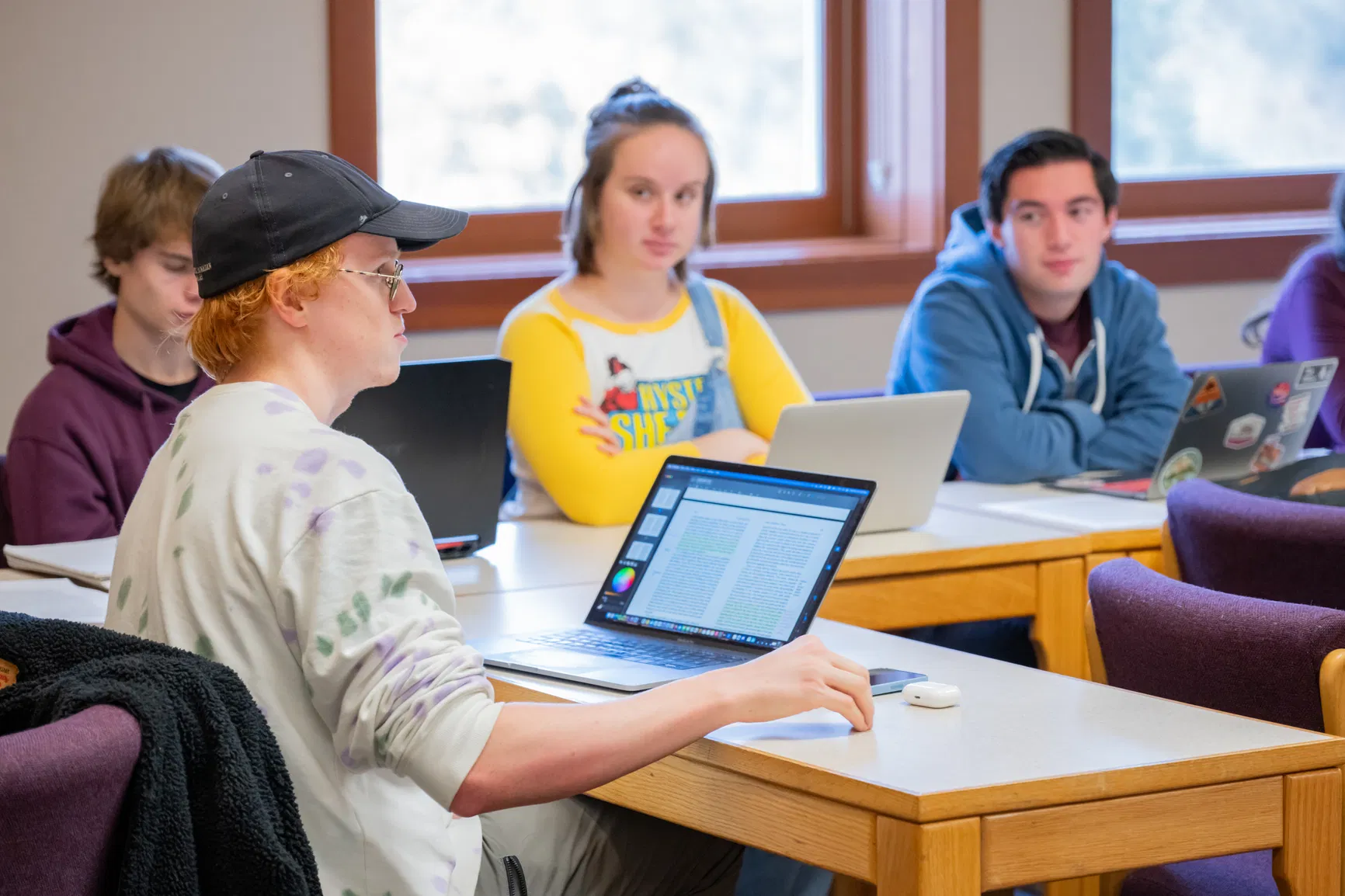
"The work that I have accomplished at Willamette has been greatly enhanced by my collaboration with students," she says. "I have had the fortune to work with phenomenal students whose life experiences and interests give them unique skills and perspectives that enrich our research together."

Advising Student Research

Two faculty grants from Willamette — one through the Hewlett Grant program and the other from the Center for Sustainable Communities — helped Chambers develop curriculum and create opportunities for students to study agriculture in the area.

During a recent summer, several students conducted research with her through the Science Collaborative Research Program. They co-authored a paper that will be published in the journal Agriculture and Human Values.

"By working with Professor Chambers on our research projects, we learned more about the field that is her specialty," says Jonnie Dunne '10, who interviewed area grocers to determine how they define local food. "But she wasn't telling us exactly how to do everything — she let us make our own mistakes and helped us along the way. She told us time and again that we are collaborators."

"The opportunity to do research increases students' knowledge, skill level and analytical abilities, and it provides them with opportunities to build vital relationships outside the classroom and even off campus," Chambers says.

"Frequently our students conduct research with other institutions, and those opportunities help shape their futures by exposing them to new careers and potential future employers or graduate school advisors."

From Mexican Peppers to Oregon Farmers

Much of Chambers' research has focused on agriculture in Mexico.

She has traveled there to study the harvesting and commercialization of a native wild chili pepper, and to interview Mexican farmers who continue to grow traditional varieties of corn instead of switching to something more modern that produces a higher yield.

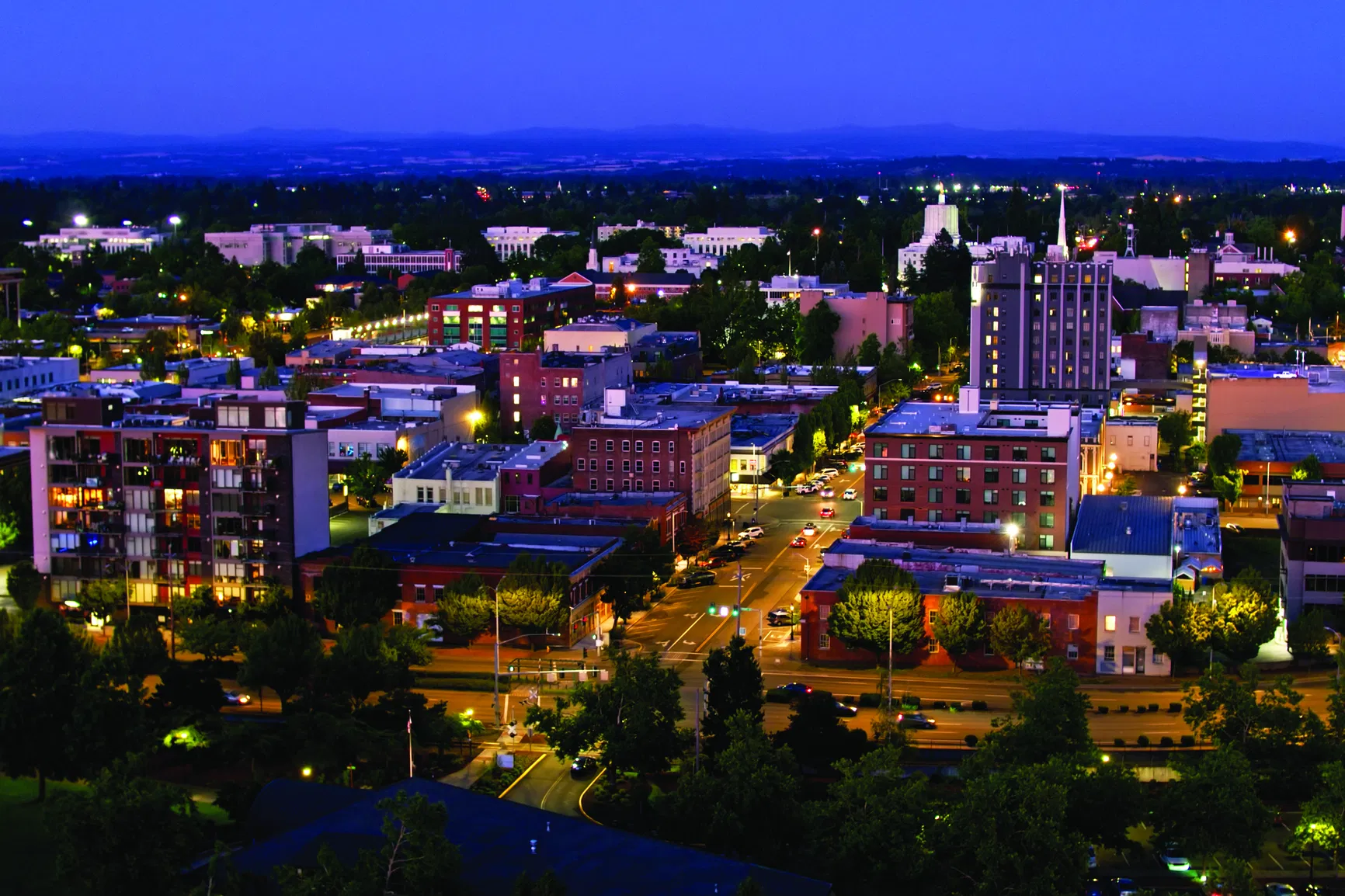
When she came to Willamette, located in a valley known for its long growing season and rich soil, local and sustainable agriculture became another of her main research areas.

"Much of the local research I have conducted has been driven by student interests and come from collaborative efforts," she says. "The students help my research reach levels that I would not have been able to accomplish on my own."

About Kimberlee Chambers

  • PhD, University of California, Davis
  • Courses include sustainable agriculture, world geography, Latin American cultures and the landscapes and cultures of South and Middle America
  • Research interests include the management and ecological impacts of chiltepin harvesting in Mexico, and sustainable agriculture in the Willamette Valley